Protect the Monarch coast to coast
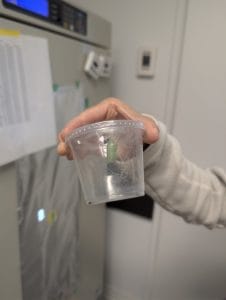
Our trip to British Columbia took us to the University of British Columbia (UBC), where we had the pleasure of meeting Dr. Michelle Tseng, Associate Professor in the Departments of Botany and Zoology.
In her lab, she studies butterfly ecology and conservation, among other subjects. She welcomed us in and agreed to an interview about her monarch research.
The visit brought a question we care deeply about at Sac en Vrac into focus: how can we help protect this butterfly in our own way? We saw where researchers take the time to observe monarchs and seek answers. Above all, we had the chance to speak with a scientist whose work helps us better understand the connections between butterflies, plants and their environment.
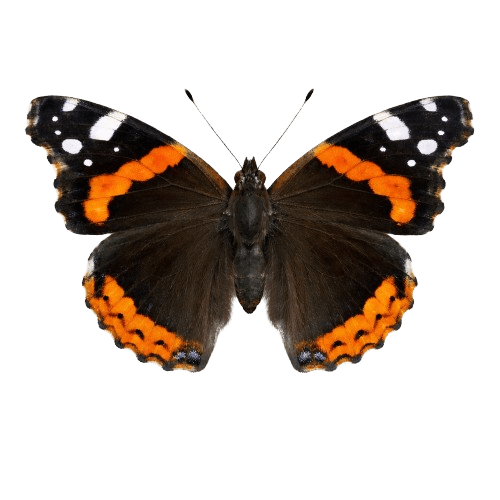
The monarch’s journey varies by region. West of the Rockies, some monarchs breed in southern British Columbia. As the colder season approaches, they migrate south and generally spend the winter along the California coast. In the east, monarchs migrate toward Mexico. These remarkable journeys also depend on what the butterflies find along the way.
In British Columbia, native milkweed grows mainly in the dry regions of the southern Interior. It is less widespread than one might imagine from looking at a map of the province. Yet it is essential: female monarchs lay their eggs on it, and their caterpillars feed on it. Nectar-producing flowers matter too, especially during migration.
Pesticides add another pressure. Insecticides can harm butterflies, while herbicides reduce the plants they depend on. Habitat loss and climate change pose further threats. Understanding how these factors work together helps us take useful action, such as protecting monarch habitat and choosing native plants suited to each region.
That is the spirit behind our project, 12 Papillons du Québec and Canadian Butterflies collections help the Monarch and bio diversity. Through our bags, QR codes and accompanying educational content, we hope to share this curiosity with families, one discovery at a time. For every bag in the collection sold in a province, $2 goes to an organization in that province that protects butterflies and biodiversity.
Thank you to Dr. Tseng for welcoming us. We look forward to sharing her interview and continuing this journey with you, from one province to the next.